

Plymouth, Minnesota, is taking significant steps to promote environmental sustainability and bolster community resilience. The city has developed a comprehensive Climate Action and Resiliency Plan, focusing on three key pillars: advancing equity, mitigating climate change, and increasing community resilience. This plan encompasses various sectors, including transportation, land use, buildings and energy, waste management, water resources, local food systems, and green spaces.
In line with these efforts, Plymouth has achieved Step 2 in the GreenStep Cities program, a voluntary initiative that encourages cities to adopt best practices in sustainability. Notable actions contributing to this achievement include the remodeling and expansion of the Plymouth Community Center following Minnesota B3 Guidelines and Sustainable Building 2030 energy standards, the operation of the Plymouth Metrolink transit service, and the city’s longstanding recognition as a Tree City USA community.
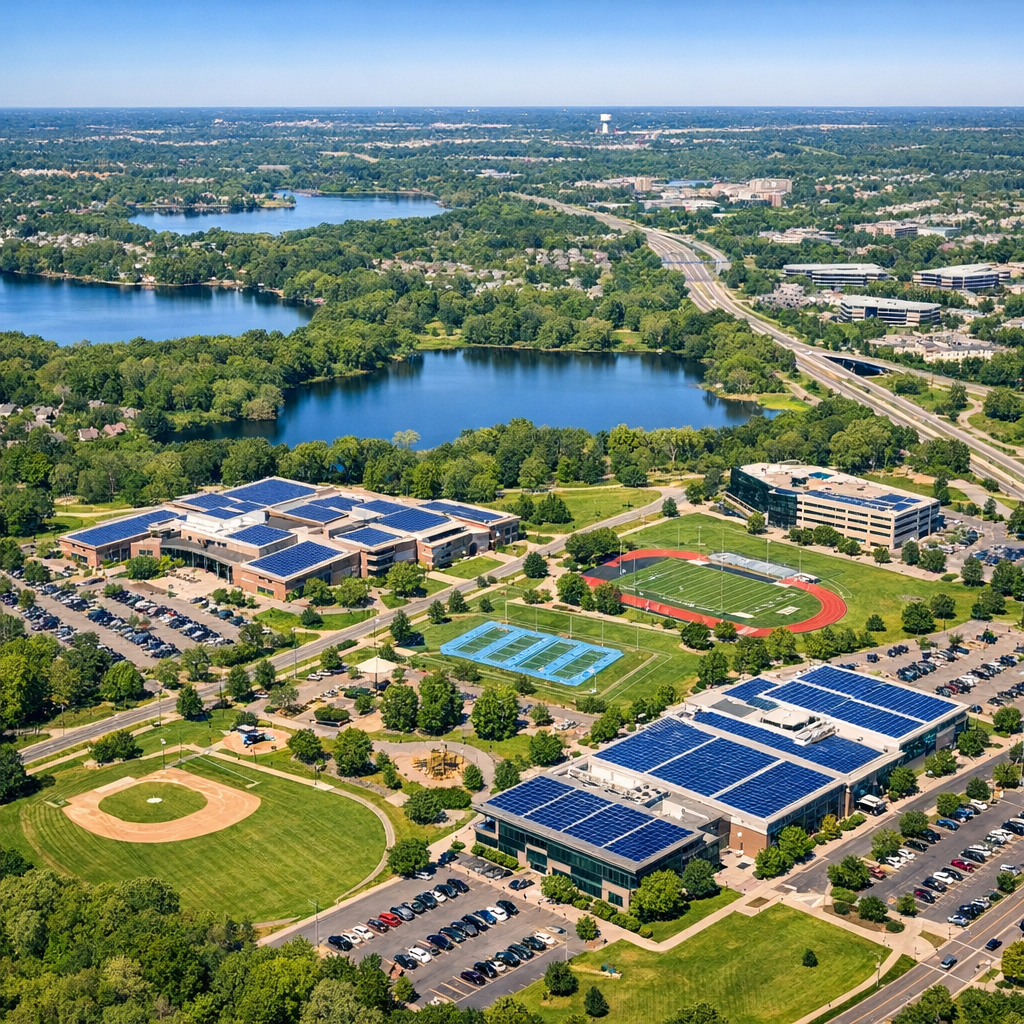
Furthermore, the city has made strides in renewable energy adoption by installing solar panels on Fire Stations 2 and 3, with plans to equip City Hall with solar panels in the near future. These installations aim to generate clean, renewable electricity onsite, reducing reliance on the grid and decreasing overall utility costs over time.
Residents are encouraged to participate in the Plymouth Environmental Academy, an initiative designed to educate the community on environmental stewardship and sustainable practices. The program covers topics such as local food production, tree conservation, and water quality, emphasizing their interconnected benefits to the community.
Through these concerted efforts, Plymouth demonstrates a strong commitment to environmental stewardship, aiming to create a sustainable and resilient community for current and future generations.